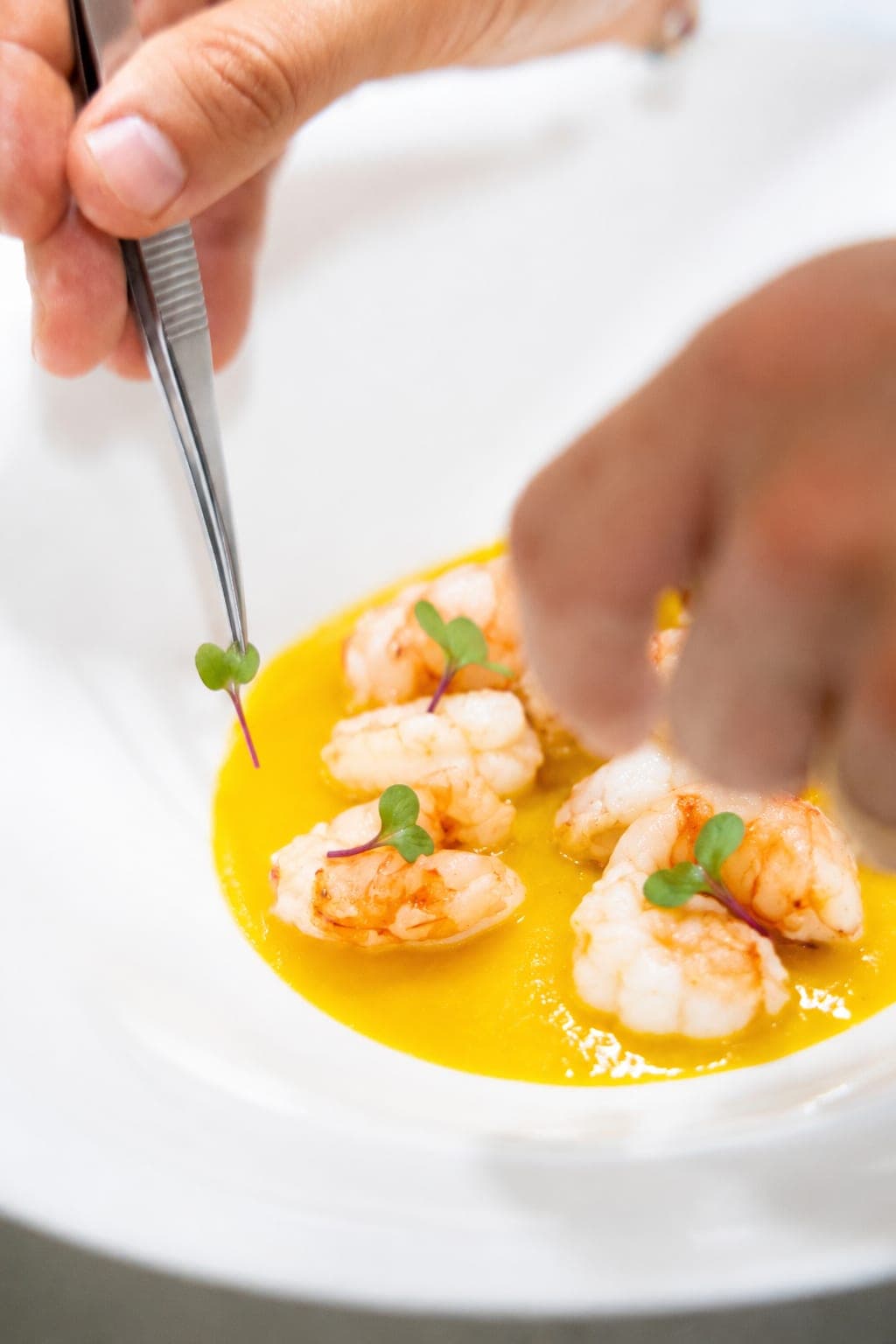
Working with microgreens isn't just a matter of taking delivery and plating them. Their shelf life, their fragility and their format all demand a bit of organisation. Without it, even excellent produce becomes awkward to use. With a simple, repeatable system, microgreens turn into something you can count on service after service.
Why handling microgreens is usually underestimated
Most kitchens file microgreens under "easy produce". In practice they ask for more attention than that:
- they're alive
- their shelf life is short
- they react quickly to temperature
- their quality moves fast
Without a routine, they lose their hold within days and end up unusable.
Finding the right balance between delivery and use
Delivery frequency is the first lever.
- too spread out → you lose freshness
- too frequent → you overstock and throw away
Twice-weekly delivery usually hits the sweet spot:
- quality stays consistent
- quantities track actual covers
- waste stays close to zero
That rhythm slots into how a kitchen already runs, rather than adding one more thing to manage.
Let the format drive how you handle them
The format you order changes the routine around it.
- grown on substrate: still alive, holds far better over time, more flexible day to day
- pre-cut: ready to use, perfect on the pass, but a shorter window
Once that difference is clear, the choice becomes obvious: substrate for consistency across the week, cut for speed during the rush.
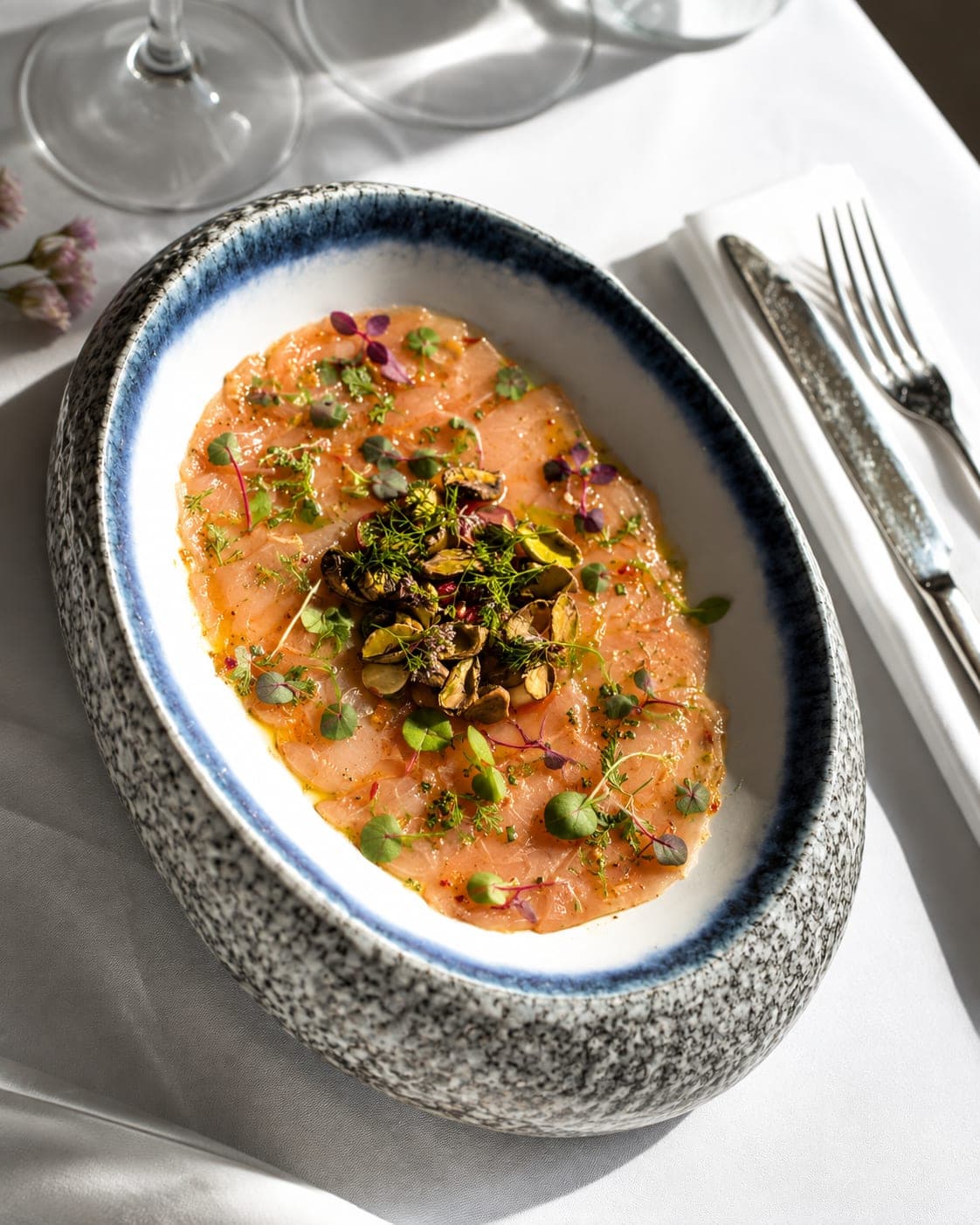
A simple routine that kills waste
Efficient handling comes down to a handful of habits:
- keep them cold, without trapping moisture
- stop opening and closing the containers all day
- use the oldest stock first
- order against real covers, not against a habit
None of it costs anything, and together it's enough to keep quality flat from one service to the next.
Building microgreens into the flow of service
To make them a natural part of plating:
- keep them within arm's reach of the plating station
- account for them during mise en place, not mid-service
- lean on the cut format when service moves fast
The goal is simple: never let a garnish slow the pass down.
On the line, that means a station set up for quick access, plating that costs no extra seconds, stock rotation that prevents waste, and produce that stays usable for several days.
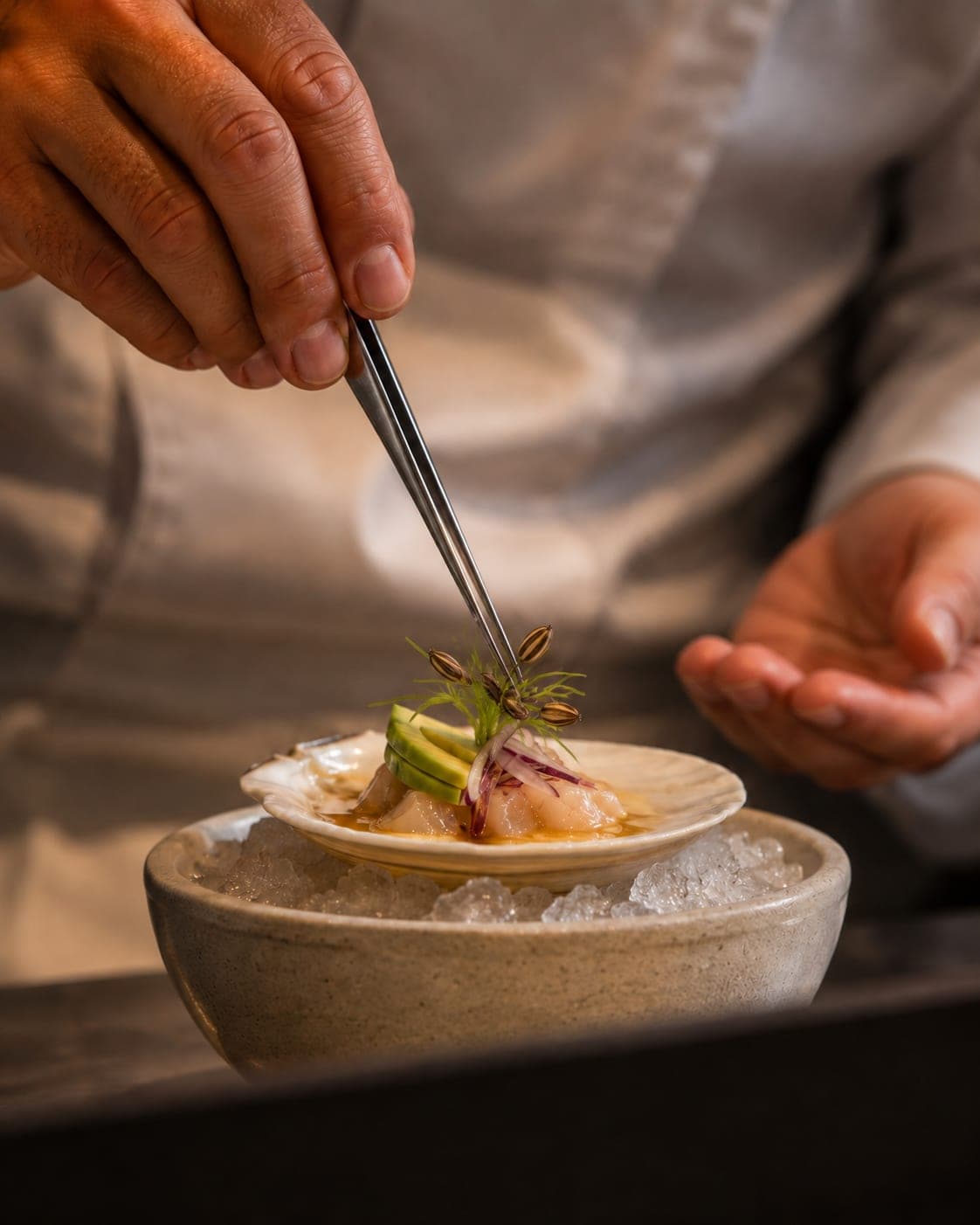
Chef's Origin: produce built around kitchen rhythm
Chef's Origin supplies premium microgreens to chefs and restaurants across Morocco.
Harvested locally in Casablanca and grown without GMOs or pesticides, they arrive consistently fresh and dependable on the line — in whichever format suits how you work.